
Health Care: Upholding Human Dignity and Protecting Conscience

From access to medical care to the protection of human life and religious convictions, Catholic social teaching calls for health care centered on the dignity of every person. Here's what that means for Catholics in Colorado.
Part 5 of a 10-part series on the Colorado bishops' public policy priorities
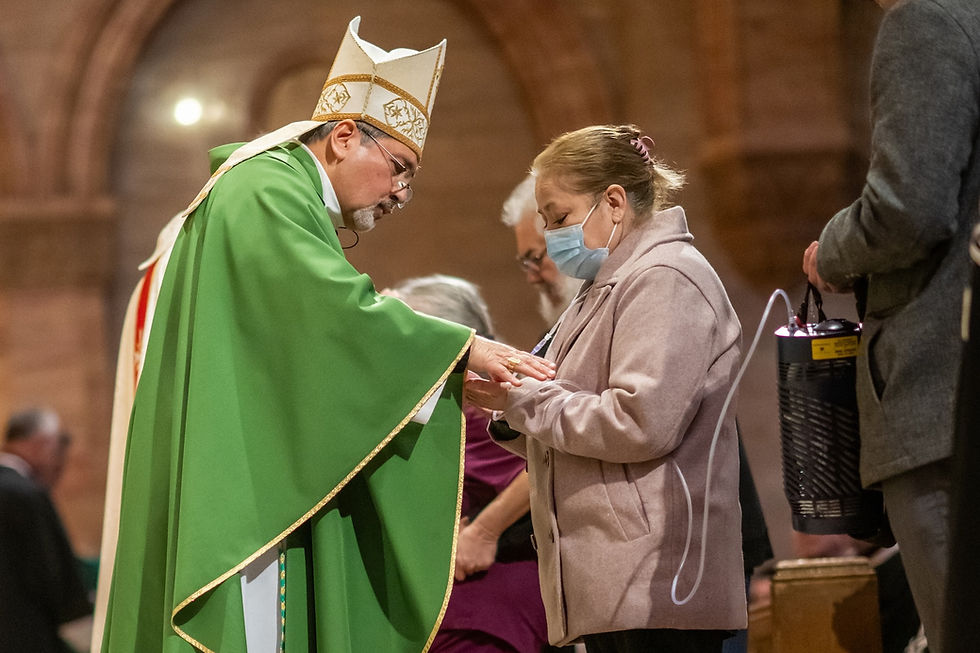
Health care should be patient-centered, respect human dignity, protect life, promote the principle of subsidiarity, be affordable and assure conscience rights.
The Catholic Church teaches that access to health care is a basic human right, similar to food and shelter, because it is essential for maintaining human life and dignity.
As the Catechism of the Catholic Church explains, concern for the health of citizens requires that society help provide living conditions that allow people to grow and reach maturity, including “food and clothing, housing, health care, basic education, employment and social assistance” (CCC 2288).
Health care is considered a continuation of the healing ministry of Jesus Christ, meaning care must be driven by compassion and the common good rather than purely by profit. Society and medical systems have a moral obligation to ensure that the vulnerable, uninsured and marginalized have access to essential and equitable medical services.
At the same time, the Church teaches that every human life is sacred from conception to natural death. Medical interventions that undermine the good of the human person are not true medical care, including abortion, euthanasia, assisted suicide and so-called “gender transition” interventions.
The Church's Teaching on Health Care
The Church's teaching on health care is rooted in the dignity of the human person and in society's responsibility to protect life and care for the vulnerable.
In his 1963 encyclical Pacem in Terris, Pope St. John XXIII affirmed that every human being has an inherent right to life and bodily integrity.
Pope St. Paul VI expanded upon this social framework in his 1967 encyclical Populorum Progressio, integrating health care into the concept of integral human development. He asserted that true human progress is impossible without addressing material suffering, identifying adequate health and well-being as fundamental needs that society must help secure for all people.
As medical technology advanced, the Church's teaching also addressed more specific bioethical questions.
Pope St. John Paul II provided a comprehensive theological defense of human life in his landmark 1995 encyclical Evangelium Vitae. He emphasized that human life is sacred from conception to natural death, establishing a moral framework for clinical practices, reproductive ethics and end-of-life care.
Today, this moral framework is reflected in the Ethical and Religious Directives for Catholic Health Care Services (ERDs), published by the United States Conference of Catholic Bishops (USCCB) to guide Catholic health care.
In 2025, the USCCB released the seventh edition of the ERDs, clarifying moral guidelines surrounding procedures such as abortion, euthanasia and so-called “gender-affirming care.”
These directives guide Catholic hospitals, medical professionals and health care institutions in providing compassionate care while remaining faithful to the Church's teachings on human dignity and the sanctity of life.
Health Care in Colorado
Medicaid, health insurance, access to care, pharmacy and prescription services, and rural health care continue to be important topics in the Colorado legislature each year, especially as affordability remains a concern for Coloradans.
While lawmakers have addressed several areas of needed health care policy, Colorado has also expanded access to and insurance coverage for abortion and so-called “gender-affirming care.” These measures have raised concerns over the use of taxpayer funds for public insurance plans (including millions annually appropriated for abortion), increased premiums for private plans and the conscience rights of medical professionals and patients.
One area of particular concern in Colorado's health care system is the lack of access to medical care, especially maternal health care, in rural communities.
House Bill 25-1223, Capital Needs of Rural and Frontier Hospitals, created a task force to evaluate building code compliance, the age of core facilities and additions, and the estimated renovation or replacement costs for rural and frontier health care infrastructure. Catholic teaching supports expanding access to medical care in rural communities, ensuring that individuals and families can receive necessary care regardless of where they live.
Beyond access and affordability, medical professionals also face tensions between Colorado law and their moral and religious convictions. This tension has raised concerns about legal liability for providing care in accordance with sincerely held religious and moral convictions.
Attempts to strengthen conscience protections for health care providers have also faced legislative opposition and failed.
For the Colorado Catholic Conference, these developments underscore the importance of ensuring access to compassionate, affordable health care while protecting human life and the conscience rights of medical professionals and faith-based institutions.
Putting the Church's Teaching into Practice
For Catholics, health care is more than an industry. It is a continuation of Jesus' healing ministry on earth. Catholic bioethics exists to protect people from being treated as objects or burdens and to recognize the inherent dignity of every patient.
In everyday conversations, Catholics can emphasize this dignity rather than focusing exclusively on what the Church opposes.
For example, rather than simply explaining the Church's opposition to euthanasia, Catholics can emphasize that every person's life is worth protecting. Those facing serious illness deserve compassionate care, including palliative care, without feeling pressured to end their lives to avoid becoming a financial or emotional burden on others.
When engaging lawmakers, Catholics should share their own experiences with health care and explain how specific policies affect patients, families and medical professionals.
Advocacy can focus on the common good, fiscal responsibility and public interest. Catholic teaching provides a moral framework that can bridge traditional political divides, allowing advocates to appeal to both sides of the aisle.
This includes recognizing health care as a human dignity and right-to-life issue, promoting access for the poor and vulnerable, and protecting religious and personal conscience rights.
Ultimately, Catholic health care recognizes every person as created in the image and likeness of God. Every patient deserves compassionate, high-quality treatment regardless of background or status.
For Catholics, promoting just health care means upholding that dignity through medical care that protects life, serves the vulnerable and respects the moral convictions of those called to the healing professions.