
Immigration and Foreign Peace: Upholding Human Dignity, Justice and Mercy

Updated: 8 minutes ago
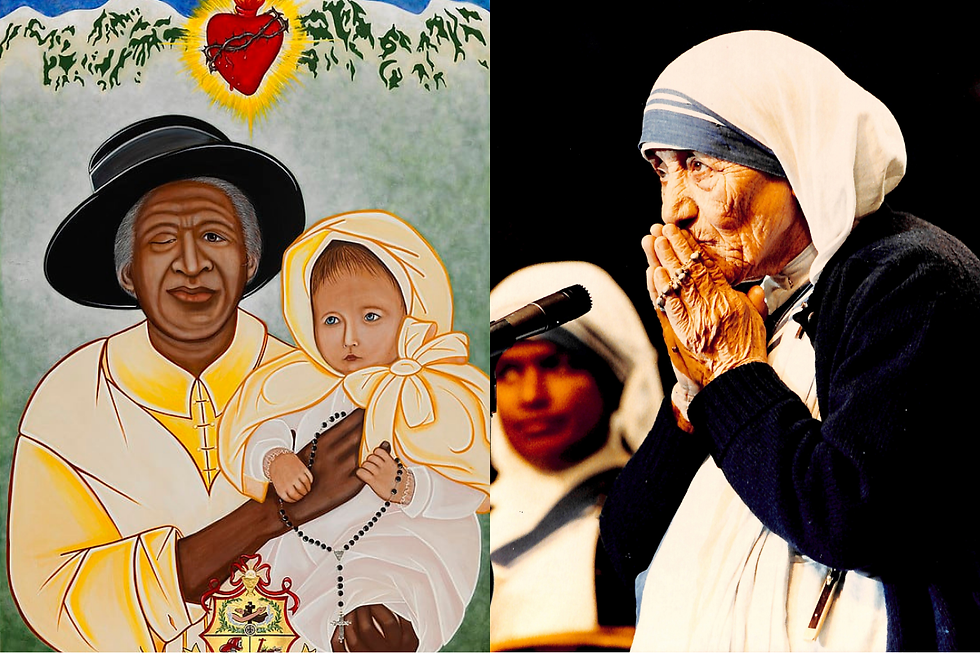
From welcoming migrants to promoting peace abroad, Catholic social teaching offers a framework rooted in human dignity, national responsibility and the common good. Here's what that means for Catholics in Colorado.
Part 6 of a 10-part series on the Colorado bishops' public policy priorities
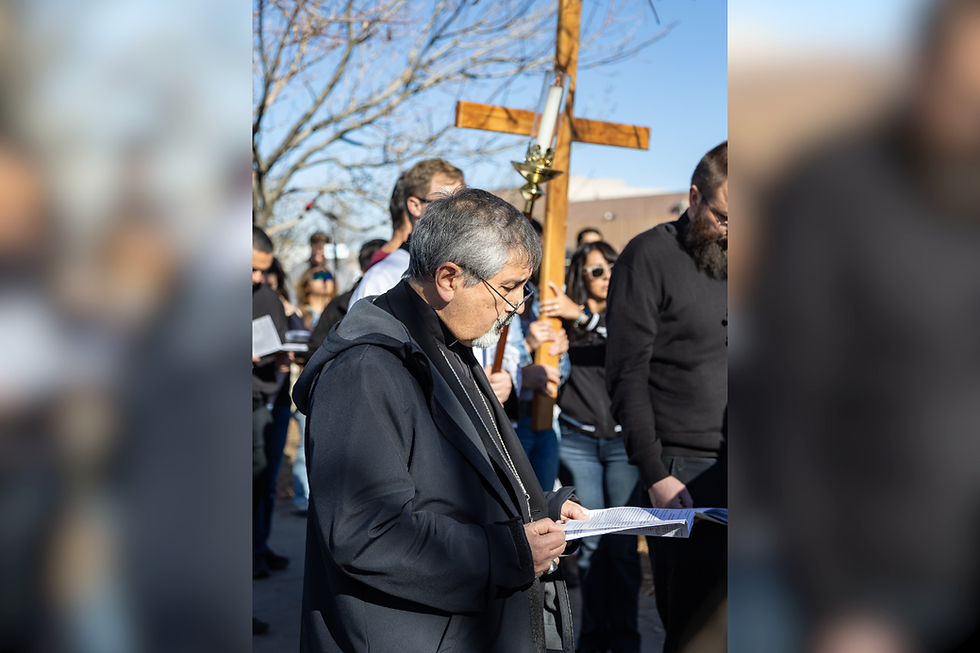
Immigration policy should provide recent immigrants with basic human needs, including the ability to work, and encourage pathways to citizenship. Promoting peace is also essential in international relations.
Our Lord Jesus Christ reminds us: “I was a stranger, and you welcomed me” (Matthew 25:35).
This teaching is not optional but central to the Catholic faith. The Gospel compels us to see Christ in those who seek refuge among us — families fleeing violence, individuals searching for safety and children yearning for hope.
As the Catechism of the Catholic Church explains, “The more prosperous nations are obliged, to the extent they are able, to welcome the foreigner in search of the security and the means of livelihood which he cannot find in his country of origin” (CCC 2241).
In 2016, Pope Francis echoed this sentiment when he called the faithful to a “culture of encounter” and reminded us that “Migrants are not numbers; they are persons who have faces, names, and stories.”
Each migrant bears the image of God and deserves respect, compassion and support.
The Church's Teaching on Immigration and Peace
Catholic Social Teaching recognizes both the rights of migrants and the responsibilities of nations to regulate immigration with justice and mercy.
Pope Leo XIII's 1891 encyclical Rerum Novarum developed principles concerning the rights and responsibilities of people that popes and bishops' conferences have built upon in articulating three principles for immigration:
People have the right to migrate to sustain their lives and the lives of their families.
A country has the right to regulate its borders and control immigration.
A country must regulate its borders with justice and mercy.
In his 1991 encyclical Centesimus Annus, Pope St. John Paul II echoed Rerum Novarum in discussing the universal destination of goods, which recognizes that God created the earth and provided its resources for the benefit of all humanity.
When people live under governments that violate their rights, disregard their dignity or place their lives and families at risk, they have a right to migrate. Countries that receive migrants also have a moral obligation to meet basic human needs, including shelter, food, medical care and the ability to work. This responsibility, rooted in the universal destination of goods, must be considered alongside a nation's sovereign rights and duties.
In matters of foreign peace, Catholic Social Teaching emphasizes that building true conditions of peace also means safeguarding people's rights to remain safely in their homelands with dignity. Promoting peace abroad involves international cooperation, economic justice and addressing the root causes of conflict so that migration remains a choice rather than a desperate necessity.
In his 1963 encyclical Pacem in Terris, Pope St. John XXIII described four pillars of peace: truth, justice, love and freedom. Together, these pillars provide a foundation for promoting peace among nations.
The Church is also guided by the just war tradition, developed by theologians including St. Thomas Aquinas, which seeks to define the limited circumstances under which force may be morally justified and to regulate its use. This tradition recognizes that the world is marked by injustice and that war is a grave moral matter that should never be entered into lightly.
Since his election, Pope Leo XIV has also continually urged world leaders to pursue peace through dialogue rather than force, reflecting the Church's enduring commitment to the dignity of the human person and the peaceful resolution of conflict.
Immigration and Foreign Peace in Colorado
Since 2020, Colorado lawmakers have enacted nearly 20 pieces of legislation concerning the integration of recent migrants. These measures cover many areas of care and assistance, including health care, education, workforce development and legal support.
Health care services have been expanded through legislation that increased access to affordable coverage for low-income individuals, including children and pregnant women, regardless of immigration status.
Recent migrants have also received new educational opportunities through state legislation.
Colorado's public education system provides education to eligible students regardless of immigration status, and lawmakers have adopted measures to support schools enrolling newly arrived students and to help eligible students pursue higher education.
Additionally, in 2021, the Colorado Office of New Americans was established to serve as a point of contact for immigrant-serving agencies and organizations, helping coordinate resources and assistance for those settling in the state.
While many of these immigration policies align with Catholic Social Teaching's emphasis on human dignity and care for the vulnerable, the Colorado Catholic Conference also recognizes concerns about the expansion of the welfare state.
The Church's approach calls for balancing assistance to those in need with the responsibilities of government, local communities and individuals, guided by the principles of solidarity and subsidiarity.
Putting the Church's Teaching into Practice
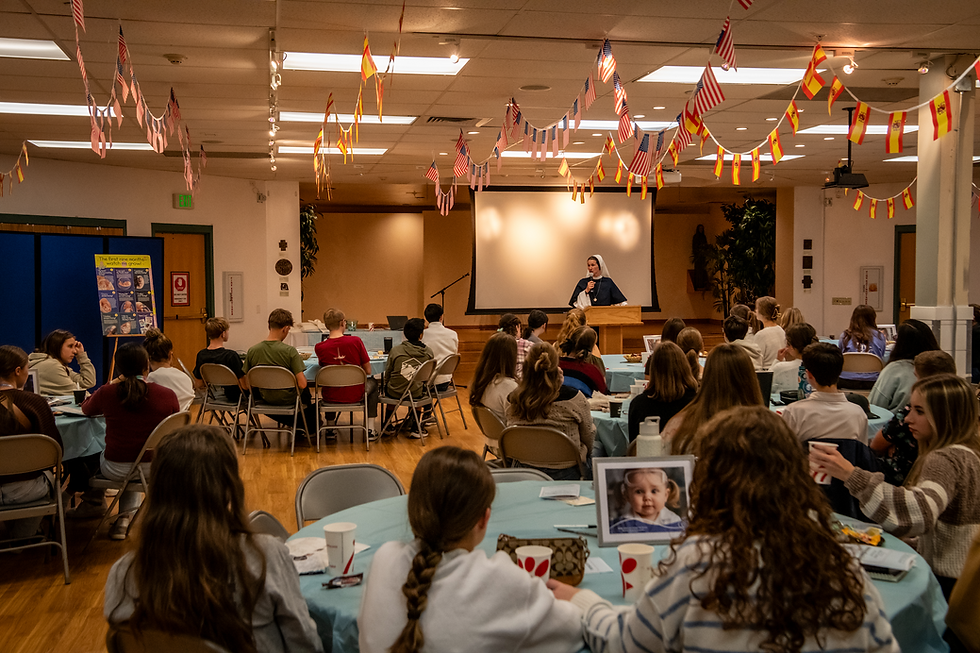
For Catholics, discussing immigration and foreign peace in everyday life begins by shifting the conversation from political debate to Gospel-centered discipleship. Immigration is a particularly contentious issue, but evangelization aims to win hearts for Christ, not political arguments.
In conversations about immigration, Catholics can lead with a focus on human dignity, connect the issue to Scripture and the teachings of Jesus, and emphasize a balanced approach rooted in peace and personal responsibility.
This means recognizing that every migrant bears the image of God and deserves respect, compassion and support, while also acknowledging that governments have the right and duty to regulate their borders and maintain public safety.
When engaging with lawmakers, Catholics should likewise share their own stories and experiences related to immigration and peace abroad. Presenting a coherent moral framework can help move discussions beyond partisan gridlock and toward practical solutions that respect human dignity and the common good.
Advocates can humanize these conversations through personal stories, data and proven policy solutions, emphasizing the importance of meeting people's basic needs while respecting the legitimate responsibilities of nations.
Ultimately, Catholic teaching on immigration and foreign peace calls the faithful to recognize the dignity of every person, welcome those seeking safety and opportunity, and work toward a world where families can live in peace and dignity.
For Catholics, these responsibilities are rooted in the Gospel's call to love one's neighbor and the conviction that lasting peace must be built upon truth, justice, love and freedom.