How to Confess Venial Sins and Improve Your Spiritual Life

A Catholic call to contrition, confession and change.
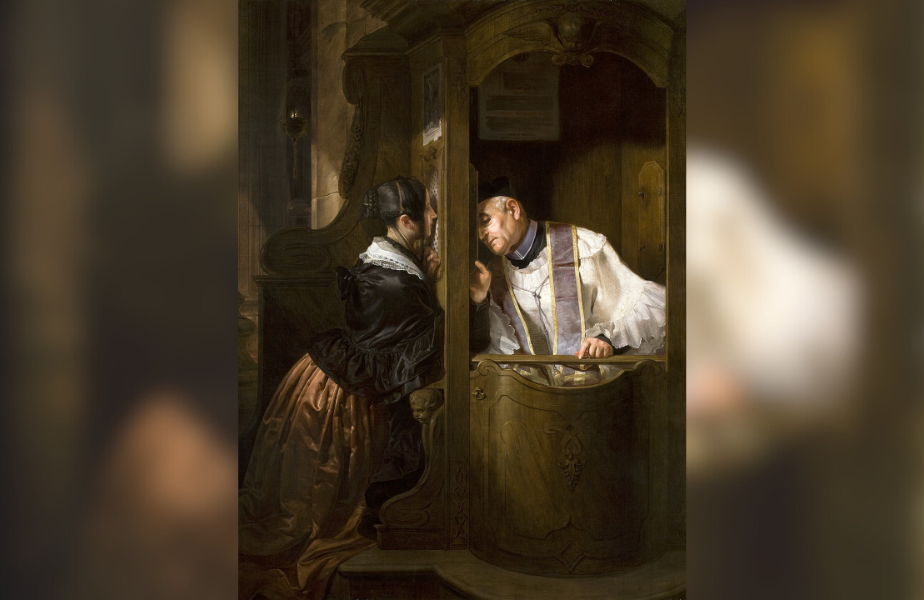
For those struggling to get out of habits of mortal sin, frequent Confession is a necessity. But since venial sins are not required to be confessed, I set out to be convinced of the benefits of frequent Confession.
The Catholic Church teaches that venial sins can be remitted through holy water, the reception of the Eucharist or certain liturgical prayers, so I wanted to know what makes Confession special. Therefore, I picked up the book Frequent Confession: Its Place in the Spiritual Life by Father Benedict Baur. These are some of my takeaways.
Sins, whether big or small, are ultimately a rejection of God’s Providence and care for us, a declaration that we will not serve, or at least that we prefer our own interests over God’s. Even though venial sins are the “lesser” sins, they still do harm to our souls and weaken the effectiveness of grace. Over time, even unrepentant venial sins make the heart grow cold and indifferent towards God, which can lead to bigger sins.
Frequent confession of venial sins is not just about getting rid of the sin; it’s about receiving the grace of the sacrament to strengthen the supernatural life that already exists in the soul and to increase our love for God. In Confession, we are given an outpouring of sanctifying grace, a share in the life and holiness of God, which motivates our will to choose God and have more sincere contrition for our sins.
In addition, Confession not only looks on past failings but also looks to the future by bolstering our souls to resist temptation next time. With frequent Confession, we are transformed by Christ’s saving grace, allowing us to develop a distaste for, and even hatred of, sin.
Here are three areas to focus on when confessing venial sins in the Sacrament of Penance:
Firm Purpose of Amendment
If frequent Confession is to have real and lasting benefits, we must make a decisive resolution to overcome our sins. We see this resolution to sin no more or avoid whatever leads to sin in the Act of Contrition, and it means that we make a firm purpose to avoid or at least fight against this or that sin. It does not mean we must be able to refrain from venial sin altogether, but at least we make the effort to tackle certain sins with the aim of fighting them or diminishing their frequency.
Father Baur advises that you should limit your purpose of amendment to a very few points, often to a single failing which you are determined to strive against. Pay attention and focus your energy on one particular area at a time to be successful.
Our purpose of amendment should also be practical. It isn’t useful to say, “I will never again be irritable,” but it can be helpful to say, “When I feel irritable, I will make an act of patience,” or “When I am lonely, I won’t turn on the TV.” This resolution should be adapted to your actual circumstances as something concrete you can put into practice.
“The important thing for us is not so much that we never again fall into any faults,” advises Father Baur, “but, rather, that we never become indifferent and careless about our faults and failings or about their roots and causes, that we sincerely turn away from them and never come to terms with them, that we always keep climbing upward to the holy heights of God’s love” (pg. 24).
Contrition
As we examine our conscience, we should ask, “Where is my heart?”
I was confused for a long while about what venial sins to confess in the sacrament, until my spiritual director encouraged me to see Reconciliation as a chance to repair where my relationship with God was damaged. Instead of a scrupulous accounting of each and every venial sin (which would be impossible), I just had to acknowledge a particular failing in love of God or neighbor that I could do better with.
Without contrition, there can be no forgiveness. We should not try to excuse our sins but simply and humbly bring them into the light so we can be forgiven. The contrition required for valid reception of the sacrament should at least include the fear of punishment, but it is much better if we have sincere sorrow for offending God.
The sadness we feel at our wrongdoing, for treating God badly and for being ungrateful to him, is the kind of contrition that moves our hearts towards greater love for our Savior. The whole point of acknowledging our sins and being sorry for them is to develop a deeper understanding of God’s holiness and love for us while also forming a conscience that is less desirous of offending him.
Penance
As sins are never personal, even venial sins cause harm to the community, the Body of Christ.
“Therefore, it can be atoned for in no better way than by being confessed to the representative of the Church, absolved by him, and expiated by the penance he imposes” (pg. 9), Father Baur writes.
Even though our sins are forgiven in the Sacrament of Confession, we are still required to make satisfaction for our sins through penance. Even after we are freed from the guilt, the temporal punishment remains, so the penances we are assigned in Confession help repair the damage done by sin.
If you are forgiven for breaking a window, the window is still broken until it is repaired. This means we undertake penitential works such as prayer, fasting and almsgiving “with the purpose of obtaining remission of the temporal punishment due to sin” (pg. 39). We can lessen that punishment here or in Purgatory, but I myself would prefer a deeper union with God now and not wait for the fiery purgation!
Finally, there are many offerings we can make in addition to our assigned penance. Father Baur explains: “It is in keeping with the spirit of frequent Confession that we should accept and put up with the sufferings and sacrifices of daily life and the burdens that our work and the fulfillment of our duties entail with the express purpose of making satisfaction for our sins” (p. 40).
If you want to uproot bad habits, strengthen your will or purify your conscience, it is time to take frequent Confession more seriously. During this penitential season of Lent, I pray that through our contrition, penance and firm purpose of amendment, we may grow in love with God.